Diagnose the sump system before replacing parts
A focused review helps distinguish a failed pump from float, check-valve, discharge, inflow or power problems.
Talk directly with Matt about the problem.
Tell us whether the pump is not starting, running continuously, making noise, losing power or failing to move water.
- Toronto residential service
- Licensed and insured plumbing help
- Clear scope before major work
- Postal code captured for service-area confirmation
Check the complete system.
Replacing only the pump may not solve a stuck float, blocked discharge, failed check valve, undersized pit or electrical problem.
- Pump does not start or stops unexpectedly
- Pump runs but water level does not fall
- Rapid cycling or continuous operation
- Discharge freezes, blocks or returns water to the pit
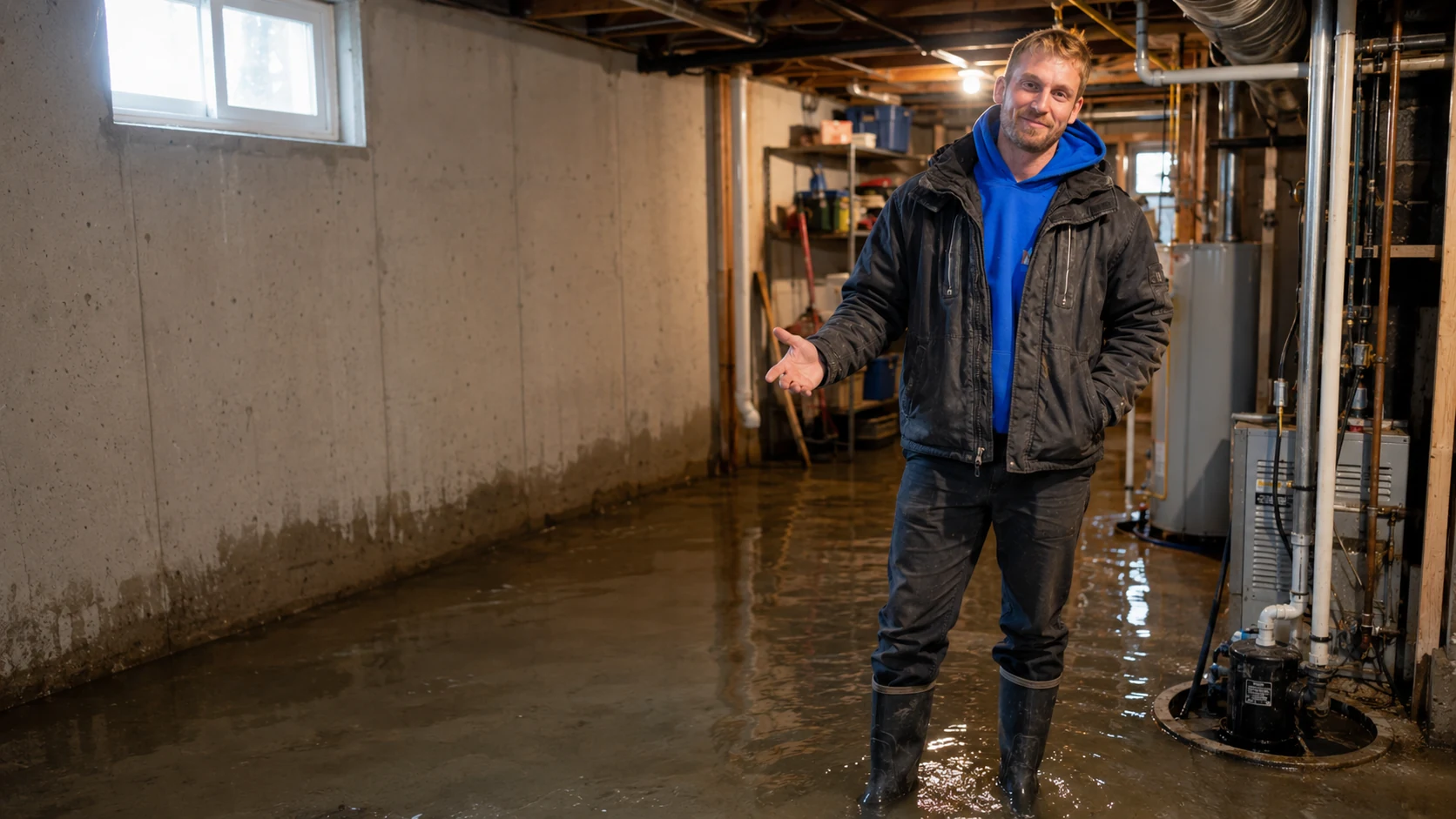
Choose capacity and backup for the property.
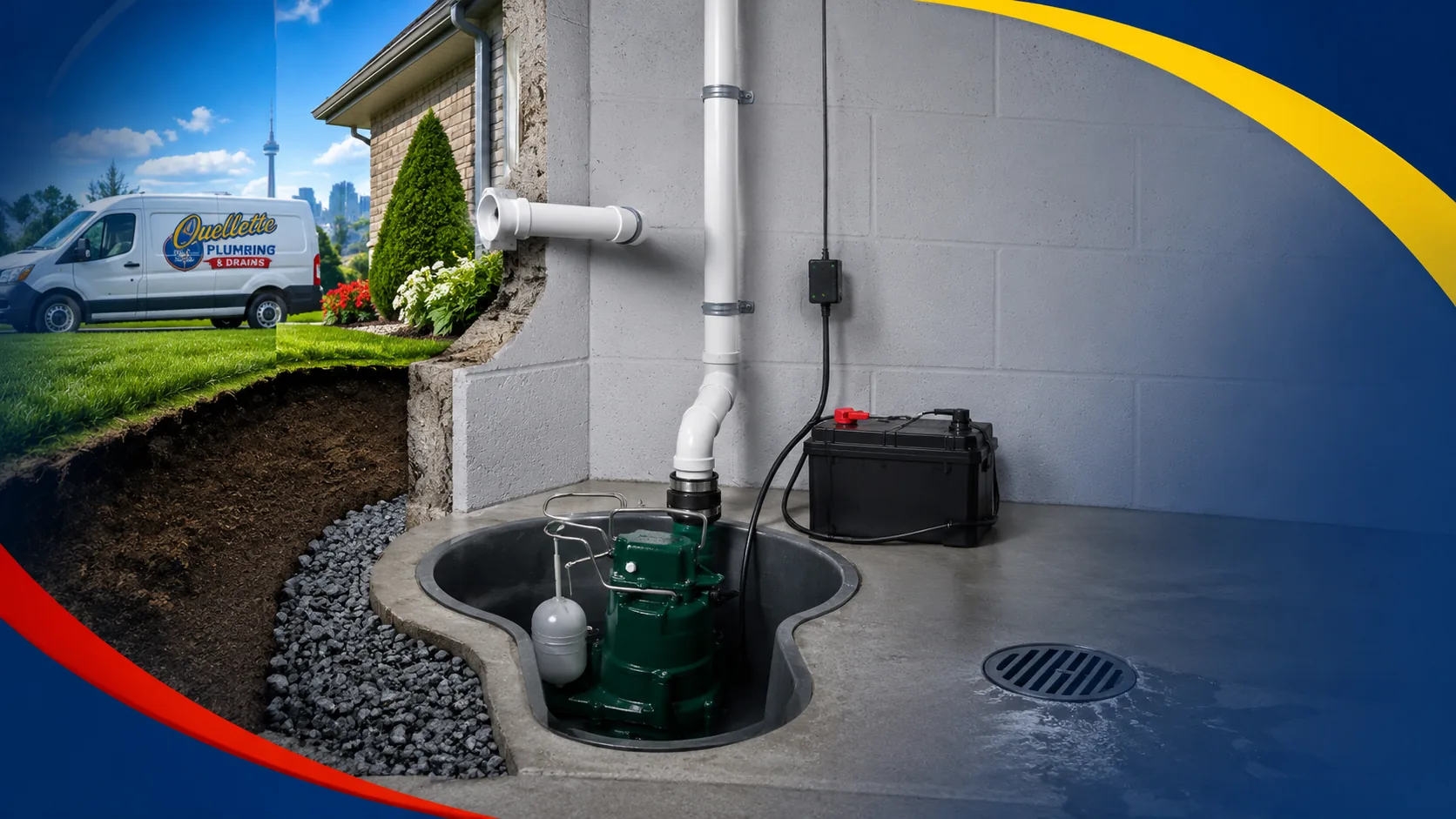
Replacement should consider inflow, lift, discharge distance, check-valve performance, alarm and protection during a power outage.
- Confirm pump capacity and fit
- Review discharge and check valve
- Add high-water alarm where appropriate
- Discuss compatible battery backup
Clear answers before the next step.
How long should a sump pump last?
Service life varies with pump quality, run time, inflow, maintenance and installation conditions. Performance matters more than age alone.
Should I replace the check valve too?
It should be inspected. A failed or poorly located check valve can cause repeated cycling and reduced performance.
Can I add battery backup to the existing system?
Often yes, but compatibility, available pit space, discharge arrangement and expected run time should be reviewed.